
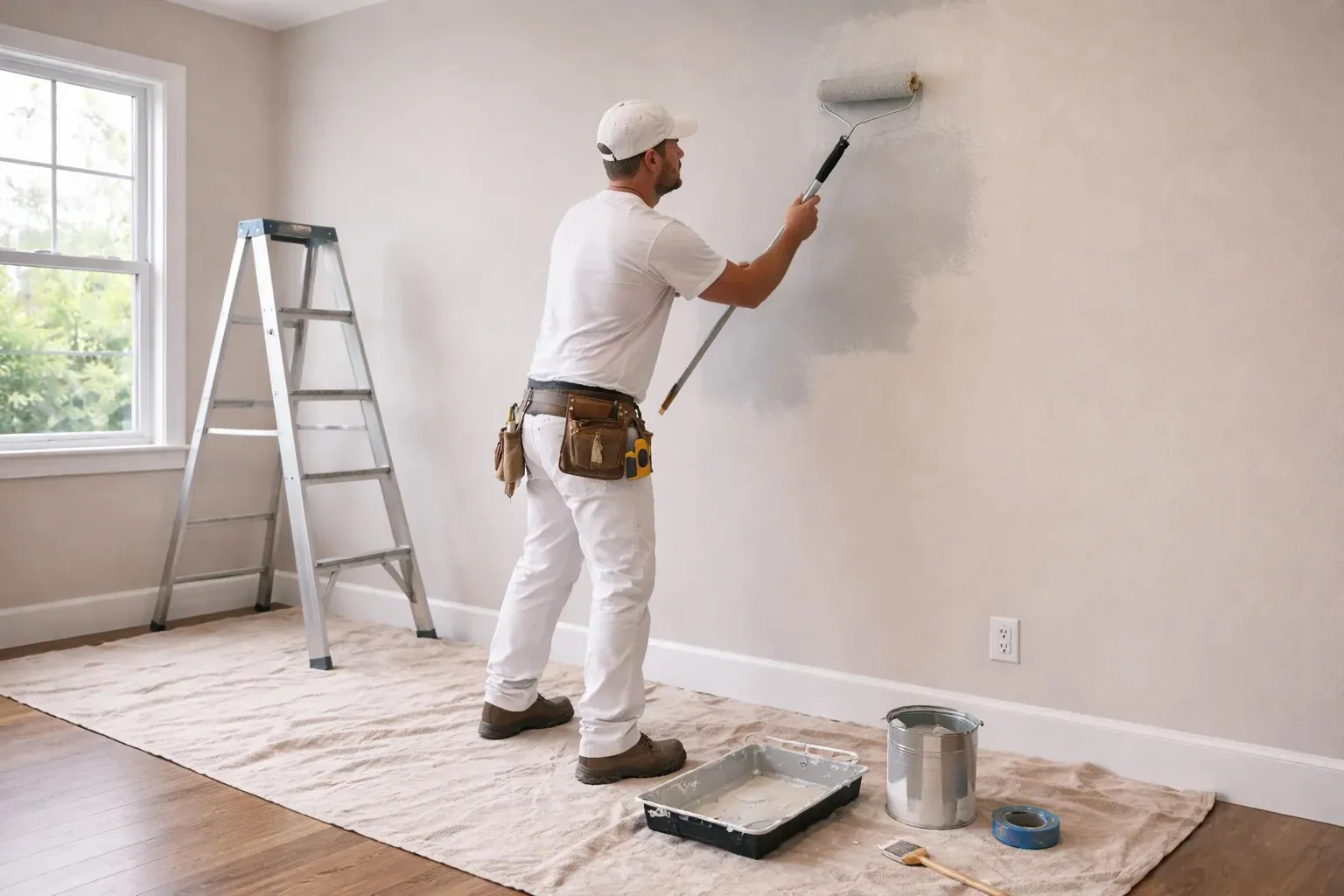
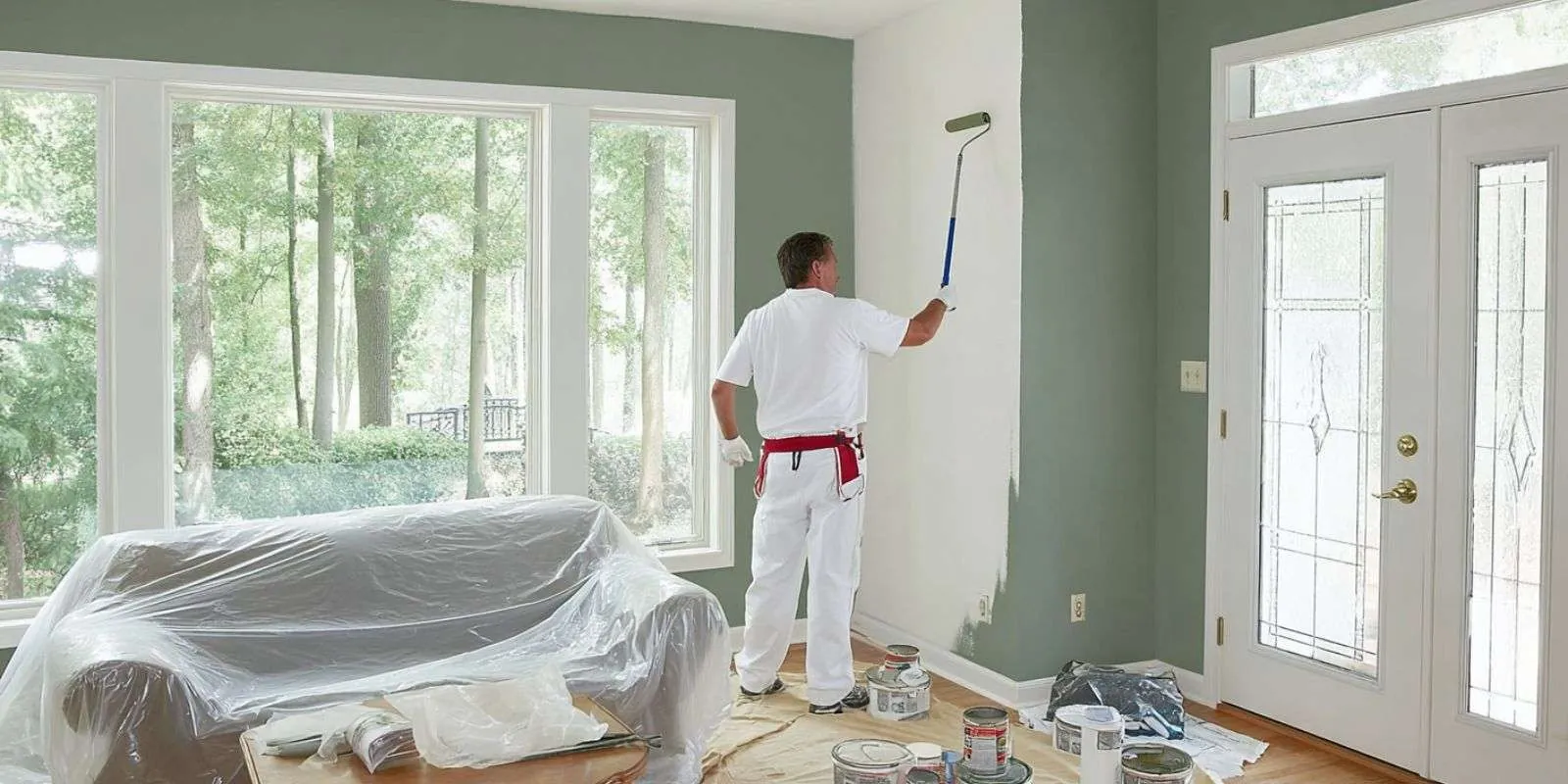
 Cost & planning, 3 min read
How to Get Your Home Ready for Painters
What to move, what the crew handles, and the small things that make a painting job go faster: pets, parking, condo bookings and daily routines.
Free on-site estimatesFree estimates
WSIB registered
Fully insured
Written workmanship warrantyWritten warranty
The crew packs up, the room looks finished and the walls feel dry. It is tempting to push the furniture back and rehang everything the same evening. But paint goes through two stages: it dries, then it cures. Knowing the difference keeps fresh paint from sticking, scuffing or marking in the first few weeks. Here is what to expect in a typical Toronto home.
Paint is dry to the touch once the surface has skinned over and no longer feels tacky. Underneath, it is still soft. Curing is the slower process of the paint film hardening all the way through. Until it has cured, the surface marks, dents and picks up dirt more easily, even if it looks perfect.
Most interior walls and ceilings today are painted with water-based (latex or acrylic) paint. As a general guide, it is often dry to the touch within about an hour and ready for a second coat after a few hours. Full curing takes much longer: many products need two to four weeks to reach full hardness. Times vary between products, so the label on the can is always the final word.
A good rule for the first few weeks: treat freshly painted walls gently. Light touches are fine; scrubbing, taping and heavy bumps can wait.
Oil-based (alkyd) paints and some enamels used on trim, doors and cabinets take longer to dry than water-based paint, often overnight before a second coat. They then keep hardening for days to weeks. Kitchen cabinets get the most handling of any painted surface, so they need the most patience: open and close doors gently at first and leave the bumpers and hardware adjustments for later. Our guide on painting or replacing kitchen cabinets covers cabinet finishes in more detail.
In Toronto, both seasons bring their own conditions. Humid summer days slow drying, while dry winter air with the heat on can speed the surface up. Keeping the room at a comfortable temperature with a little airflow helps either way.
These are general guidelines for water-based wall paint. Check with your painter, especially for trim, doors and cabinets.
Most water-based paints have a mild smell that fades within a day or two with good ventilation. Open a window when the weather allows, or run a fan to move air through the room. If anyone in your home is sensitive to smells, ask your painter about low-odour products before the job starts. Our checklist on getting your home ready for painters covers planning around the work.
The easiest way to avoid marks on new paint is to plan the work around your week: paint guest rooms before visitors arrive, not the night before, and leave kitchens and busy hallways a little extra time. When you book an estimate, we can talk through the order of the rooms and when each one will be ready to use.
Planning an interior project? Book a free estimate or read more about our interior painting service.
Water-based wall paint is often dry to the touch within about an hour and ready for another coat after a few hours. Oil-based paints take longer. The label on the can gives the times for that product.
Many water-based paints take two to four weeks to cure fully. Until then the surface is softer and marks more easily, so treat it gently.
Wait at least a few days, and longer for heavy frames or anything that presses against the wall. Tape and adhesive hooks are best left until the paint has cured.
Many people do once the paint is dry and the room has been aired out, especially with low-odour water-based paint. If you are sensitive to smells, leave a window open or sleep elsewhere for a night.
Cost & planning, 3 min readWhat to move, what the crew handles, and the small things that make a painting job go faster: pets, parking, condo bookings and daily routines.
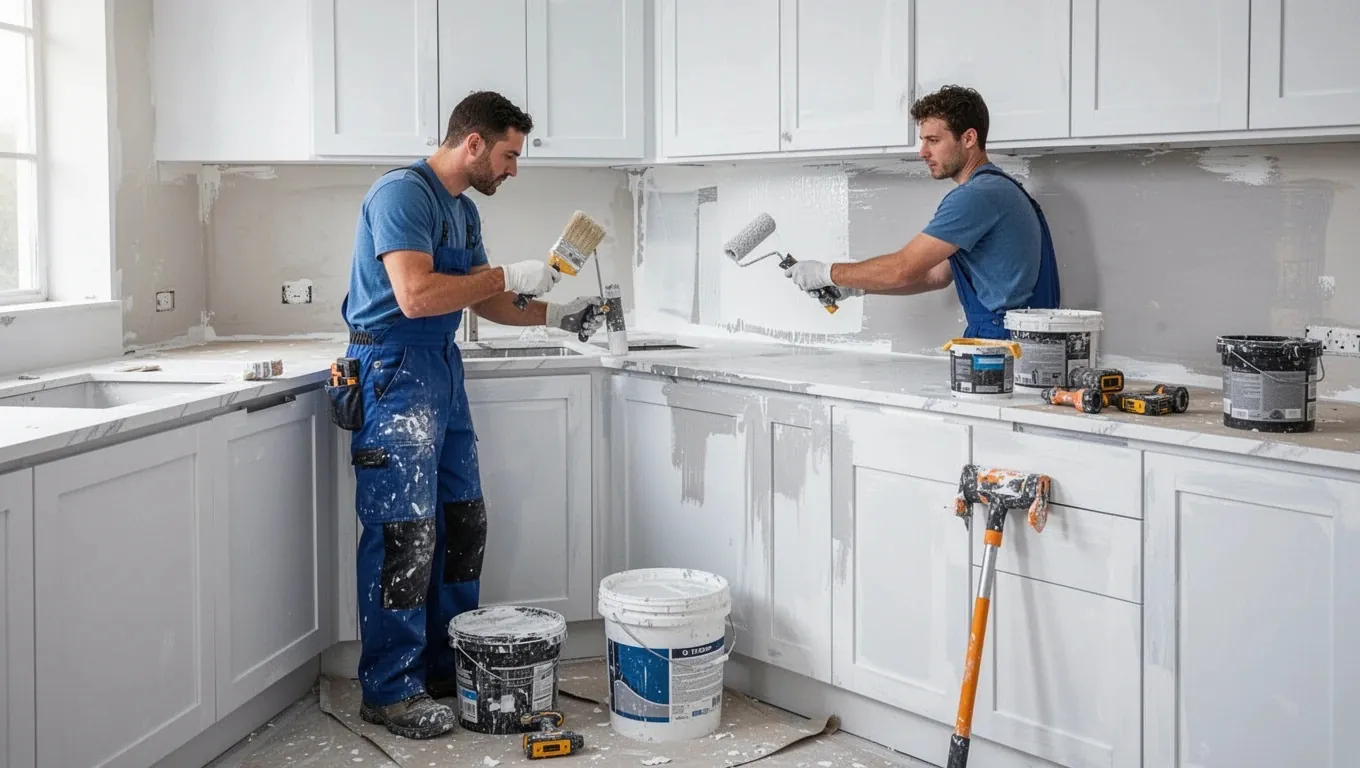 Kitchen cabinets, 3 min read
When a cabinet refinish makes sense, when it doesn't, and what a proper cabinet painting job includes, from degreasing to the final enamel coat.
 Interior, 3 min read
The sheen you choose changes how a wall looks, how well it hides flaws and how easily it cleans. Here is which one to use where.

Tell us about the job and we will visit, measure and send you a written quote. No charge, no obligation.

Automated assistant. For an exact price we visit and quote for free.